Categories
Heating & Plumbing Winterizing Plumbing

The Ultimate Guide to Winterizing Your Plumbing: Tips for Preventing Frozen Pipes

As Cape Cod residents know, the winter season can be unpredictable. From biting winds to freezing temperatures, our coastal climate brings unique challenges to homeowners each year—especially when it comes to plumbing. One of the biggest risks during winter is frozen pipes, which can lead to pipes bursting, costly water damage, and major disruptions to daily life.

The good news is that proper preparation can prevent these issues and keep your plumbing system functioning smoothly all winter.

Why Winterizing Your Plumbing Is Critical on Cape Cod

The coastal climate of the Cape means temperatures can fluctuate drastically. While we may not experience the severe, prolonged cold of inland regions, the combination of coastal winds and sudden cold snaps makes our homes particularly vulnerable to frozen pipes. Many Cape homes—especially older ones—have exposed or poorly insulated plumbing, making it even more important to take steps to protect your pipes.

A burst pipe isn’t just an inconvenience; it can cause hundreds to thousands of dollars in water damage, ruin flooring and walls, and require extensive repairs. Fortunately, most of these disasters are preventable with a few proactive steps.

  1. Inspect and Insulate Your Pipes

The first step when winterizing your plumbing is identifying which pipes are most at risk. In Cape homes, pipes in basements, crawl spaces, attics, and exterior walls are the most vulnerable to freezing. These areas often need to be more well-insulated than the rest of the house, allowing cold air to seep in.

Consider using insulation materials like foam pipe sleeves or rubber insulation to protect your pipes. These materials are inexpensive, easy to install, and can significantly prevent pipes from freezing. For areas that experience extreme cold, you might also want to install heat tape or heated pipe wraps, which help maintain a consistent temperature in the pipes.

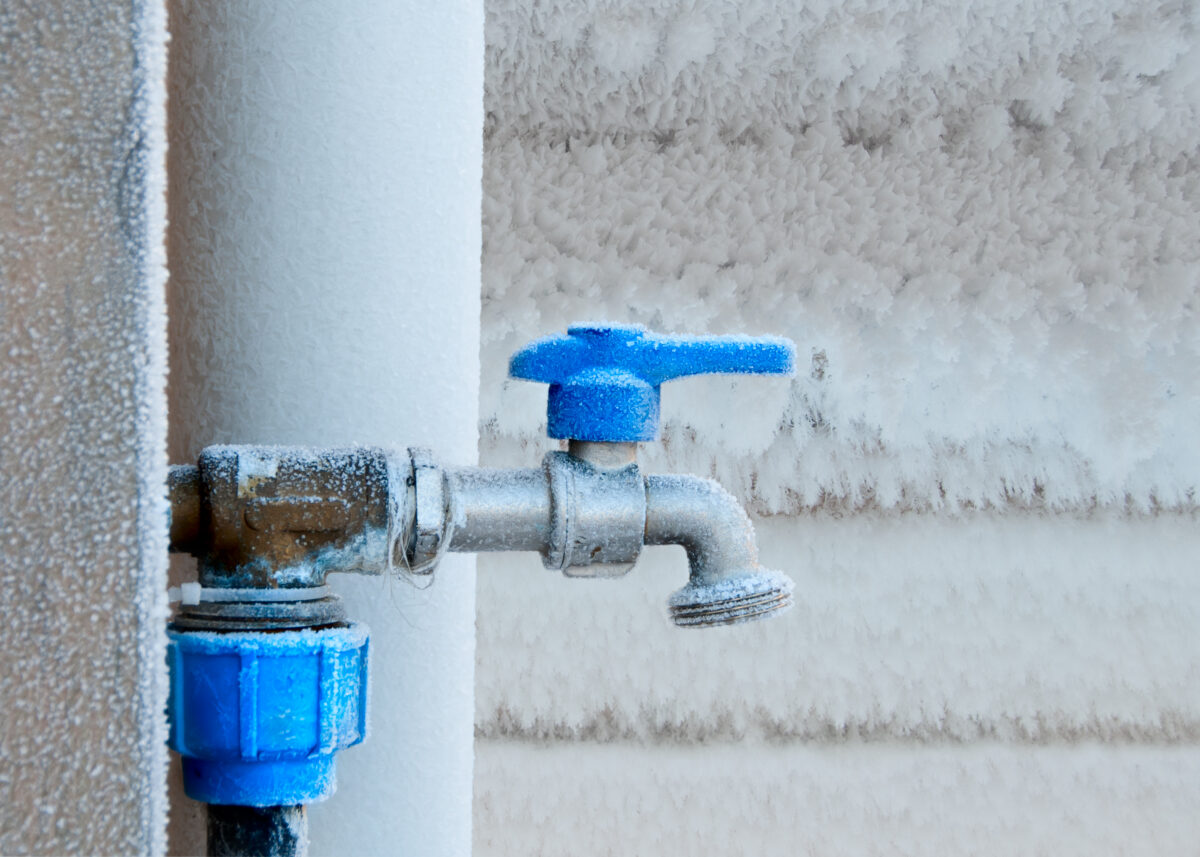
Remember to insulate outdoor faucets as well. These are often overlooked but are among the most vulnerable to freezing. A simple cover or insulator cap can keep them safe during the winter.

2. Drain and Disconnect Outdoor Plumbing

Outdoor plumbing is especially prone to freezing in winter. To protect your pipes, it’s essential to disconnect and drain garden hoses before the first freeze. Water left inside hoses can freeze, expand, and create pressure that could burst both the hose and the connecting faucet.

Once your hoses are disconnected, shut off the water supply to any exterior faucets and let the faucets drain. If you have an irrigation system, be sure to winterize it as well by blowing out any remaining water in the lines.

3. Keep Your Indoor Plumbing Warm

Keeping your pipes warm is one of the best ways to prevent them from freezing. If your pipes are located near exterior walls or in unheated areas of your home, you’ll want to take extra precautions to ensure they stay warm.

A simple and effective method is to open cabinet doors in areas like kitchens and bathrooms to allow warm air to circulate around the pipes. This is especially important at night when temperatures drop, and your heating system might be running less frequently.

You should also maintain a consistent temperature inside your home. Even if you’re away, avoid setting your thermostat too low—keeping it at or above 55°F will help ensure pipes in colder parts of the house don’t freeze.

4. Preventing Frozen Pipes During Extreme Cold

If you’re expecting a particularly cold night or prolonged cold snap, you can take a few additional steps to safeguard your plumbing. One of the easiest ways to prevent freezing is by leaving faucets slightly open so that water can drip. This allows water to keep moving throughout the pipes and reduces the pressure that builds up when water freezes and expands.

Another helpful tip is to keep your garage doors closed, especially if you have plumbing in the garage or near the garage walls. Cold air can quickly seep in and lower the temperature inside, putting your pipes at risk.

If you have pipes in cold areas of the home, consider using a space heater to keep the room warm. Just be sure to follow all safety guidelines when using space heaters.

5. What to Do If Your Pipes Freeze

Despite your best efforts, pipes can still freeze under extreme conditions. If you suspect a pipe has frozen, act quickly to prevent further damage.

The first step is to locate the frozen section of the pipe and gently warm it. You can do this using a hairdryer, space heater, or even wrapping the pipe in warm towels. Never use an open flame, such as a blowtorch, as this can cause the pipe to crack or even lead to a fire.

Once the pipe is thawed, check for any leaks and damage. If the pipe has burst, immediately turn off the main water supply and contact a professional plumber for repairs.

6. Winterizing Your Home Before a Vacation

If you plan to leave the Cape for an extended period during the winter, it’s crucial to fully winterize your home before you go. Begin by shutting off the main water supply and draining the pipes by opening all faucets and flushing toilets. This prevents water from sitting in the pipes and freezing while you’re away.

Keep your thermostat set to at least 55°F to ensure that any remaining water in the system doesn’t freeze. Installing a smart thermostat or water leak detection system can give you peace of mind by allowing you to monitor your home remotely.

7. Professional Winterization Services

While many homeowners can handle basic winterization steps, hiring a professional HVAC and plumbing company for a full inspection is always a wise investment. A professional can identify hard-to-reach areas, recommend advanced solutions like heat tape or insulation, and provide repairs if needed. Regular plumbing maintenance is vital to preventing problems in winter and year-round.

Winterizing your plumbing is essential for protecting your Cape Cod home from the damage and costs associated with frozen pipes. You can safeguard your home through the coldest months by insulating your pipes, draining outdoor plumbing, and keeping your indoor spaces warm.

If you need expert assistance or a thorough winterization inspection, don’t hesitate to contact us at Pazakis Plumbing & Heating to ensure your home stays safe this winter.
Categories
Heating & Plumbing

Smart Thermostats: Modernizing Your Heating System in Cape Cod

As Cape Cod homeowners prepare for cooler temperatures, upgrading your home’s heating system with a smart thermostat could be one of the best decisions you make this season. Smart thermostats are becoming more popular for their energy-saving capabilities, convenience, and ability to improve overall comfort. In this guide, we’ll dive into how smart thermostats work, their key benefits, and why they’re an excellent choice for modernizing your heating system in your home on the Cape. 

What is a Smart Thermostat?

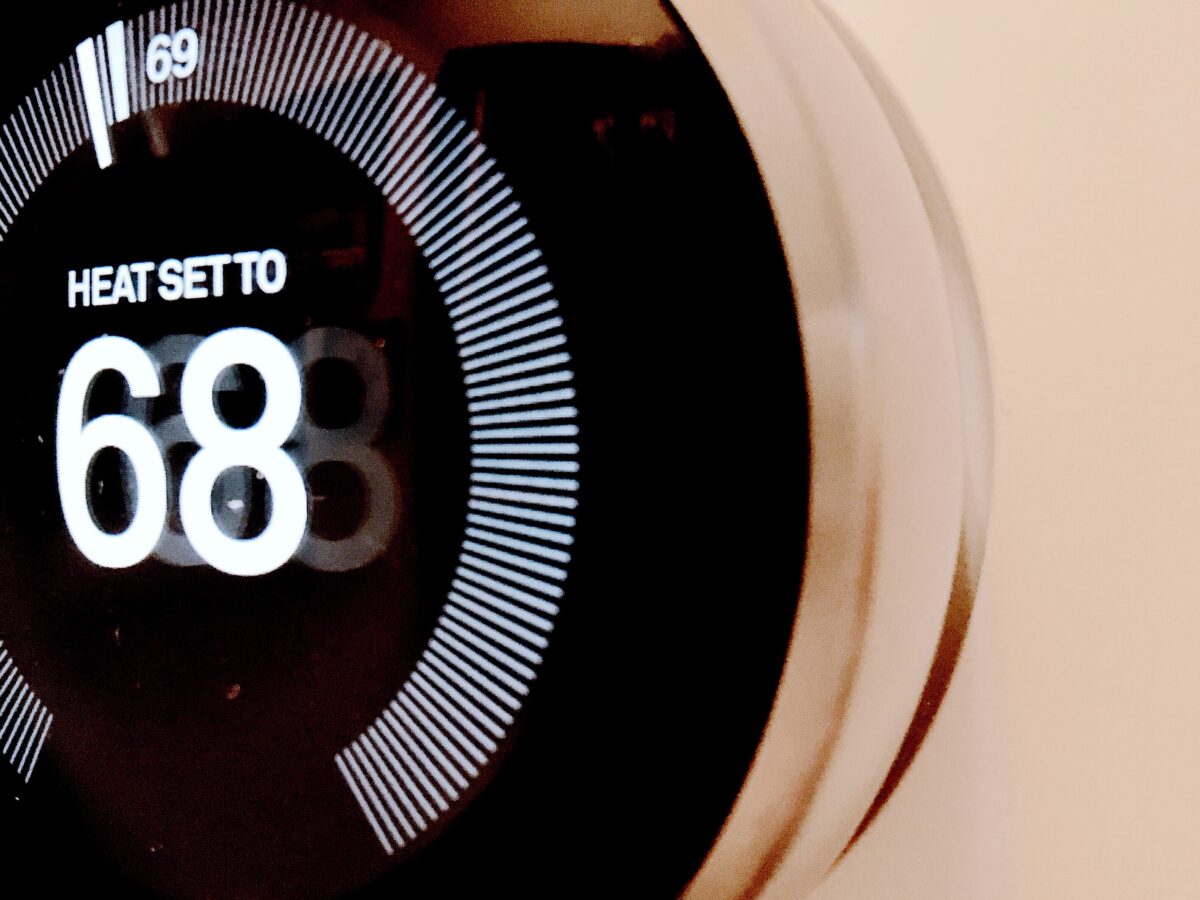
A smart thermostat is an advanced heating and cooling control device that allows you to remotely manage your home’s temperature through Wi-Fi, mobile apps, and even voice commands. Unlike traditional thermostats that require manual adjustments, smart thermostats can learn your schedule, optimize heating and cooling patterns, and automatically adjust settings based on your preferences and home environment.

One of the top features of smart thermostats is their ability to be controlled from anywhere. Whether at work, on vacation, or simply lounging at home, you can use your smartphone, tablet, or voice assistants like Amazon Alexa or Google Assistant to manage your heating system. Smart thermostats are more than just a convenient upgrade – they’re a tool for enhancing your home’s energy efficiency and comfort.

Benefits of Installing a Smart Thermostat on Cape Cod

1. Energy Efficiency

Smart thermostats allow energy to be used more efficiently by optimizing your heating schedule. On the Cape, where the temperature can fluctuate quickly, a smart thermostat can automatically adjust your home’s heating to match the weather conditions. This prevents unnecessary heating and ensures your home is warm and comfortable when needed.

Many smart thermostats also offer energy usage reports, giving users insights into how much energy they consume. Over time, this helps them identify patterns and make adjustments that lead to significant energy savings.

2. Cost Savings

One of the most appealing benefits of installing a smart thermostat is the potential for cost savings. Using energy more efficiently can result in lower monthly heating bills. Smart thermostats automatically adjust the temperature when you’re not home, eliminating the waste associated with traditional, manual thermostats. For example, if you forget to lower the temperature before leaving for work, your smart thermostat can handle it.

The long-term savings can be substantial, especially during the colder months when heating costs rise. According to various studies, homeowners can save an average of 10-12% on heating bills with a smart thermostat – savings that are particularly valuable on the Cape, where heating is a priority during winter.

3. Customization and Comfort

With a smart thermostat, you can customize heating schedules that align with your lifestyle. Whether you prefer to wake up to a warm house or lower the temperature while you sleep, a smart thermostat gives you complete control. The ability to control your home’s heating remotely also means you can adjust the temperature before you arrive home, ensuring you walk into a cozy, warm environment.

For Cape Cod homeowners, smart thermostats can also adjust to the unpredictable weather. Some models can even pull real-time weather data and adjust automatically, helping you stay comfortable despite sudden temperature changes.

4. Remote Control

Another great convenience of a smart thermostat is the ability to control it from anywhere via your smartphone, allowing you to make adjustments, whether at work or on vacation. This is especially useful on the Cape, where you may need to monitor your home’s heating while traveling during the colder months. If an unexpected freeze hits while you’re away, you can ensure your home stays warm and protected.

5. Environmental Impact

Smart thermostats help reduce your carbon footprint by using energy more efficiently. Less energy use translates to fewer greenhouse gas emissions, making smart thermostats an environmentally friendly choice. For Cape homeowners who prioritize sustainability, upgrading to a smart thermostat aligns with eco-conscious living while improving home comfort.

Key Features to Look for in a Smart Thermostat

With many smart thermostat options available, choosing the right one for your home requires some consideration. 

Here are a few key features to look for:

Learning Capabilities: Some smart thermostats, like the Nest Thermostat, can adapt and “learn” your schedule and preferences, resulting in automatic adjusting of the temperature based on your habits.

Compatibility: Make sure your smart thermostat is compatible with your current heating system. Whether you have a gas or electric heating system, standard for Cape Cod homes, compatibility is critical to getting the most out of your thermostat.

Mobile App Integration: Look for a thermostat that offers seamless mobile app integration so you can control your home’s temperature from anywhere.

Geofencing: This feature lets your thermostat know when you’re home or away based on your phone’s location, automatically adjusting the temperature to save energy when no one is home.

Smart Home Integration: If you have a smart home system, consider a thermostat that integrates with voice assistants such as Amazon Alexa or Google Assistant.

How to Choose the Right Smart Thermostat for Your Cape Cod Home

When choosing a smart thermostat, it’s important to consider your specific heating needs. Cape Cod’s weather, your home’s layout, and your heating system should all influence your decision. Homes with older heating systems might need professional consultation to ensure compatibility with the latest innovative technology.

Additionally, think about how tech-savvy you are. Some smart thermostats offer more complex features and learning capabilities, while others are simpler and more user-friendly. Choose a model that fits both your technical comfort level and home requirements.

Professional Installation vs. DIY

While some smart thermostats are designed for DIY installation, professional installation is often recommended, especially if you have an older heating system or are unsure about electrical wiring. HVAC professionals can ensure your thermostat is installed correctly and functions optimally with your existing heating system. Proper installation is essential for providing energy efficiency and avoiding potential issues down the road.

If you opt for DIY installation, follow the manufacturer’s instructions carefully and check for compatibility with your heating system.

Why Trust Local HVAC Experts for Smart Thermostat Installation

Local heating professionals understand Cape Cod homeowners’ unique challenges with their heating systems. By trusting an expert, you ensure that your smart thermostat is properly integrated into your existing system and is optimized for maximum efficiency. Plus, local experts can recommend the best products suited to the Cape’s climate.

Upgrading to a smart thermostat is an excellent choice for Cape homeowners looking to modernize their heating system. A smart thermostat offers many benefits, from energy savings and increased comfort to the convenience of remote control. If you’re ready to upgrade your heating system, contact us today for professional advice and installation assistance. Your home will thank you this winter!

Categories
Heating & Plumbing

Eco-Friendly Plumbing Solutions for Sustainable Living in Cape Cod

In an era where sustainability has become more crucial than ever, adopting eco-friendly practices in home maintenance is important for preserving our environment. With its unique ecosystems and sensitive natural areas, Cape Cod presents a particular challenge regarding sustainable living. One vital aspect of this effort is eco-friendly plumbing, which significantly protects local water resources and reduces overall environmental impact.

Understanding Eco-Friendly Plumbing

Eco-friendly plumbing comprises various practices and technologies designed to minimize water and energy consumption while reducing environmental harm. This approach contributes to the conservation of natural resources and offers long-term benefits such as cost savings and improved home efficiency.

Water Conservation Techniques

Low-Flow Fixtures

Low-flow fixtures, including faucets, showerheads, and toilets, are designed to reduce water usage without sacrificing overall performance. These fixtures can cut water consumption by up to 50%, which is particularly beneficial in areas like Cape Cod, where water conservation is a priority. Some recommended models include Delta WaterSense faucets, Kohler WaterSense showerheads, and Toto Drake toilets. These high-efficiency options are ideal for Cape Cod homes and help conserve the region’s precious water resources.

Dual-Flush Toilets

Dual-flush toilets feature two separate flushing options: one for liquid waste and the other for solid waste. This system allows users to select a lower flush volume for liquid waste, significantly reducing water use. Dual-flush toilets can save an average of 4,000 gallons of water per household annually, making them a smart choice for water-conscious Cape residents.

Rainwater Harvesting Systems

Rainwater harvesting includes collecting and storing rainwater from rooftops for non-potable applications such as irrigation and toilet flushing. This system can help Cape Cod homeowners reduce their reliance on municipal water supplies and lower their water bills. Installation tips include ensuring proper filtration and storage solutions to maintain water quality and system efficiency.

Energy-Efficient Hot Water Solutions

Tankless Water Heaters

Tankless water heaters, or on-demand water heaters, provide hot water only when needed, eliminating the energy loss associated with traditional storage tank models. They are highly energy-efficient, reducing heating costs. For Cape Cod homes, tankless water heaters are a great choice due to their size and ability to provide hot water on demand without excess energy consumption.

Solar Water Heaters

Solar water heaters use solar panels to convert sunlight into heat for water. These systems are environmentally friendly and can significantly reduce energy bills. The initial cost may be higher, but the long-term savings and benefits make solar water heaters viable for Cape residents interested in sustainable energy solutions. Installation considerations include ensuring adequate sunlight exposure and proper system sizing.

Sustainable Plumbing Materials

Pipes

When it comes to plumbing materials, sustainable options like PEX (cross-linked polyethylene) and copper offer both environmental and practical benefits. PEX pipes are flexible, resistant to corrosion, and have a longer lifespan, while copper pipes are recyclable and have been a trusted choice for plumbing due to their durability. Both materials contribute to a more sustainable plumbing system.

Eco-Friendly Insulation

Insulating pipes helps maintain water temperature and improves energy efficiency. Eco-friendly insulation materials reduce the environmental impact of your plumbing system. Consider products like cellulose or fiberglass insulation, which offer effective thermal performance while minimizing environmental harm.

Greywater Systems

Understanding Greywater Systems

Greywater systems reuse water from sinks, showers, and washing machines. Homeowners can reduce their water consumption by recycling this relatively clean water. For Cape Cod residents, greywater systems offer a sustainable solution for managing water resources effectively.

Installation and Maintenance

Installing a greywater system involves ensuring proper plumbing connections and filtration to prevent contamination. Regular maintenance is important to keep the system running efficiently and to maintain hygiene. Homeowners should follow best practices for cleaning filters and checking system components to ensure long-term performance.

Reducing Chemical Use in Plumbing

Natural Cleaning Products

Harsh chemicals in plumbing maintenance can contribute to pollution and damage pipes. Opting for natural cleaning products helps protect both the environment and the integrity of your plumbing system. Look for eco-friendly cleaners that are biodegradable and free from harmful chemicals.

Biodegradable Plumbing Products

Using biodegradable soaps and detergents in your plumbing system helps prevent clogging and reduces environmental impact. These products break down naturally and are less likely to harm local waterways, making them a better choice for eco-conscious Cape Cod residents.

Professional Installation and Maintenance

Choosing an Eco-Friendly Plumber

When selecting a plumber, consider those with experience in eco-friendly practices. Look for certifications or affiliations with green organizations to ensure they are knowledgeable about sustainable plumbing solutions. Regular maintenance by a certified professional is also essential to keep eco-friendly systems operating efficiently.

Green Certifications

Certified eco-friendly plumbing products and services adhere to specific standards for sustainability and performance. Certified products ensure you invest in high-quality, environmentally responsible solutions that meet rigorous criteria.

Adopting eco-friendly plumbing solutions offers numerous benefits for Cape Cod homeowners, from reducing water and energy usage to minimizing environmental impact. By integrating practices such as low-flow fixtures, energy-efficient water heaters, and greywater systems, residents can contribute to a more sustainable future while enhancing their home’s efficiency. Embrace these solutions and contact our plumbing experts to make a positive difference in your home and community.

Have Questions? We are here to help. Contact us today to discuss eco-friendly plumbing solutions for your Cape Cod home. 

Categories
Heating & Plumbing

Cape Cod Home Renovations: Upgrading Your Heating and Plumbing Systems

Home renovations can significantly enhance your living experience. For residents on Cape Cod, upgrading heating and plumbing systems can provide both comfort and efficiency. This article explores the benefits, processes, and considerations of upgrading these essential systems.

Assessing Your Current Systems

Before diving into upgrades, it’s crucial to assess the current state of your heating and plumbing systems. A professional inspection can reveal inefficiencies and potential issues that may not be immediately apparent. 

Key signs that your systems may need an upgrade include:

Heating System:
  • Inefficiency: If your heating system struggles to maintain a consistent temperature or your energy bills are rising, it may be time for an upgrade.
  • Frequent Repairs: Regular breakdowns and the need for constant repairs indicate that your system is nearing the end of its lifespan.
  • Age: Most heating systems last about 15-20 years. If yours is older, it’s likely time to consider a replacement.
Plumbing System:
  • Leaks: Persistent leaks can cause significant damage over time, no matter how minor.
  • Low Water Pressure: Consistently low water pressure can indicate corroded pipes or other plumbing issues.
  • Discolored Water: Rusty or discolored water indicates pipe corrosion and a need for replacement.

Upgrading Your Heating System

Choosing the Right Heating System

Selecting the right heating system is vital for ensuring efficiency and comfort. Here are some popular options suitable for Cape Cod homes:

  • Furnaces: Modern furnaces are highly efficient and can heat your home quickly.
  • Heat Pumps: These are great for all climates and offer the benefit of both heating and cooling.
  • Boilers: Boilers provide radiant heat and are an excellent choice for even heat distribution.

When choosing a system, consider energy efficiency ratings, which can significantly impact your utility bills and environmental footprint.

Installation Process

Upgrading your heating system involves several steps:

  1. Professional Consultation: A thorough assessment by an HVAC professional to determine the best system for your home.
  2. Old System Removal: Safely disconnecting and removing the old system.
  3. New System Installation: Installing the new system according to manufacturer specifications and local building codes.
  4. Testing and Calibration: Ensuring the new system operates efficiently and safely.
Maintaining Your New Heating System

Regular maintenance is key to extending the lifespan of your new heating system. Here are some tips:

  • Annual Inspections: Schedule yearly check-ups with a professional to catch potential issues early.
  • Filter Changes: Replace filters regularly to maintain airflow and efficiency.
  • Seasonal Checklists: Prepare your system for peak usage times with seasonal maintenance tasks.

Upgrading Your Plumbing System

Modern Plumbing Solutions

Upgrading to modern plumbing solutions can improve overall efficiency and lower the risk of leaks and other issues. Consider these options:

  • Piping Materials: Upgrade to durable materials like PEX or copper for better longevity and reliability.
  • Smart Fixtures: Install touchless faucets and smart leak detectors to enhance convenience and water conservation.
Water Heating Options

Selecting the right water heater is crucial for efficiency and comfort:

  • Tankless Water Heaters: These heaters provide hot water as needed, saving space and energy compared to traditional tank heaters.
  • Energy Efficiency: Look for energy-efficient models to reduce utility bills and environmental impact.
Installation Process

The process of upgrading your plumbing system includes:

  1. Assessment: A professional evaluation of your current system to identify areas for improvement.
  2. Replacement: Remove outdated piping and fixtures and install new, modern systems.
  3. Testing: Ensuring everything operates correctly and there are no leaks.
Maintaining Your New Plumbing System

Regular maintenance can prevent issues and prolong the life of your plumbing system:

  • Preventative Maintenance: Regularly check for leaks, ensure proper water pressure, and clean out drains to prevent clogs.
  • Seasonal Checklists: Protect your plumbing from seasonal changes, such as insulating pipes in the winter to avoid freezing.

Energy Efficiency and Cost Savings

Energy-Efficient Upgrades

Investing in energy-efficient heating and plumbing systems can lead to significant cost savings on your utility bills. These systems use less energy to operate, reducing your overall energy consumption.

Rebates and Incentives

Take advantage of local, state, and federal rebates and incentives for upgrading to energy-efficient systems. These programs can offset the initial costs and provide long-term savings. Check with your local utility company and government websites for available incentives and how to apply.

Environmental Benefits

Upgrading to modern, energy-efficient heating and plumbing systems benefits your wallet and the environment. These systems reduce your carbon footprint by using less energy and water, contributing to local conservation efforts.

Selecting a Professional Contractor

Choosing the Right Company

Selecting a reliable HVAC and plumbing contractor is crucial for a successful upgrade. Consider the following:

  • Experience: Look for contractors with extensive experience in upgrading heating and plumbing systems.
  • Certifications: Ensure the contractor has the necessary certifications and licenses.
  • Reputation: Read reviews and ask for references to gauge the contractor’s reputation.

Upgrading your heating and plumbing systems is a worthwhile investment that will improve your home’s comfort, efficiency, and value. By carefully selecting suitable systems and maintaining them properly, you can enjoy long-lasting benefits. Consult a professional HVAC and plumbing company, like Pazakis, to start the process and ensure a successful upgrade.

For more information on high-quality heating and plumbing products and services, visit www.jmpazakis.com. Contact us today for expert advice and professional maintenance services to keep your home comfortable and efficient.